|
Hey Reader!
Last week, I challenged you to create an open-ended art center with various materials and allow your students to explore. How did it go?
This week, I want to give you a few tips on how YOU fit into children’s art. As we allow children to explore the various materials and mediums, you may see that children start to progress from just experimenting with everything (mix it all up to make brown every time!) to really trying to create intentionally in order to represent something. So how do we, as teachers, support this process?
- Design an environment that is conducive to experimentation first. Teach the children how to use the tools and materials safely and then let them explore and experiment. Give them time and space to “figure it out”. How does paint feel on my fingers vs using a paint brush? What happens when I mix colors? What happens when I let things dry and then come back and add more? Supervise more than you instruct.
- Practice really “seeing” and “observing”. When you start to see children moving from experimentation to creating, start practicing really “seeing” something. Invite children to study natural objects. Give them opportunities to examine rocks, seashells, branches, leaves, etc. Ask questions like “What do you notice?” “How would you describe the rock?” “What lines and shapes do you see?” “What textures do you notice?” Maybe even pull out a magnifying glass to see if you can see unique details that you missed earlier.
- Draw what you see. Invite children to draw what they see as they see it. It’s fine to draw multiple pictures of the same things and try out different techniques and methods. Ask questions like “What would those bumps look like on your drawing?” “How are those stems and leaves connected?” “What else do you see?” Children decide when their art is complete. Be careful that you are not setting expectations for what the final product will be. The children are creating what they see how they see it.
- Ask if there is anything they’d like for you to write down about their art. What do the children want to remember about their art? Do they want to give it a title or do they have a story to tell about it? Ask them where they want you to write – on their paper or on a separate sheet? It may seem a little bit silly, but ask children where you can write their name.
- Creating representative art and drawing like this is optional. Do not force students to participate. In many cases, when you offer time and space for exploration, then include all children in observation discussions, even those children who are resistant or uninterested in creative art work will eventually participate at their own level of comfort. Your goal is not to have everyone complete a project. Your goal must be to provide opportunities for each child to participate as they show interest. Encourage and invite…don’t force it.
Children should still have lots of time and opportunity to experiment and explore with a variety of materials without any of this extra guidance from you. However, there is also benefit to this slightly more “guided” approach as you encourage children to bring their observations to life in their own way. Hopefully, what you see is children digging deeply into exploring the materials for a while and then progressing into actually expressing themselves in the art that they create. The more often you give opportunities for this deep thinking and expression, the more comfortable children will become.
A special note about infants and toddlers and art. Infants and toddlers will spend most of their time in the exploration of the materials you offer them. You can encourage so many different sensory experiences for these young children! Allow them to squish paint in their hands; create opportunities to walk barefoot in paint; make edible playdough with yummy flavors and scents and then encourage poking, pinching, punching, patting, and pounding. Provide paint brushes, sponges, and other tools to practice using with water or washable paints. Even with young children, begin practicing these same observation skills – talk about lines and shapes and textures of natural elements. Look at items through a magnifying glass with them. Even if their chubby hands are not developed enough to create a recognizable shape on their own at this age, you are still building foundational thinking and observation skills; you’re building attention span and eye-hand coordination. Don’t underestimate the beauty that comes from this foundational phase of development.
Cheering you on this week!
-Your ECCN team
Some content adapted from “My Role in Children’s Art” by Jesly Morales
Equipping you personally, professionally, and spiritually at every event!
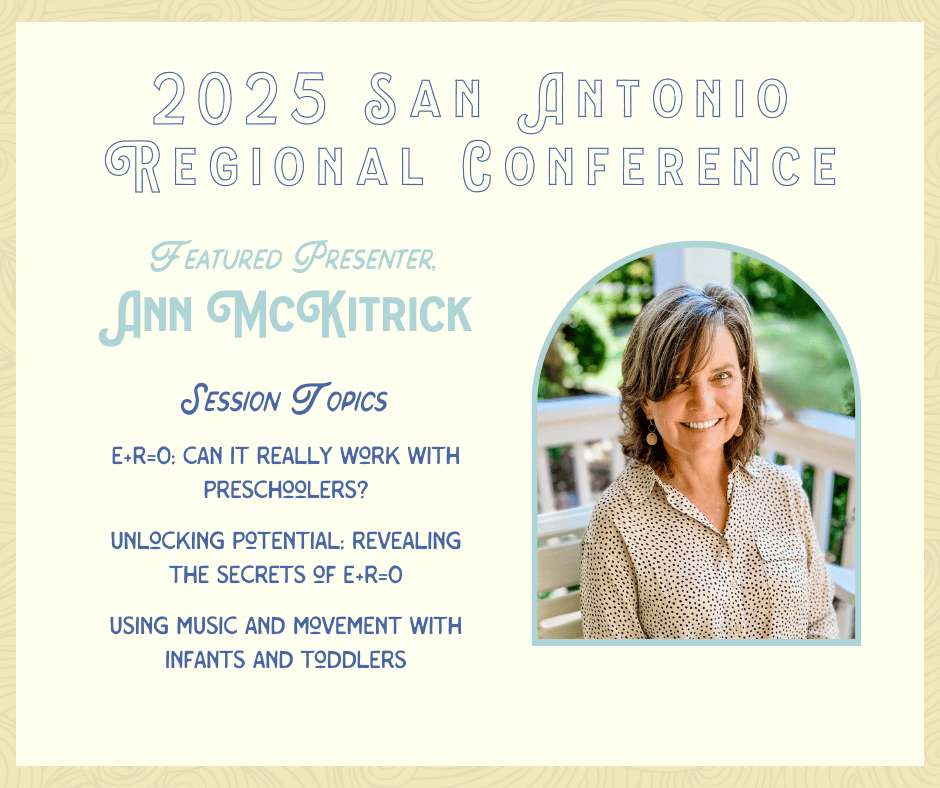
Have you registered?
Nov 2, 2024: West Texas – Lubbock
LAST DAY to register is Monday (28th)!
Feb 1, 2025: San Antonio
Early bird registration ends Dec 20th.
|
|
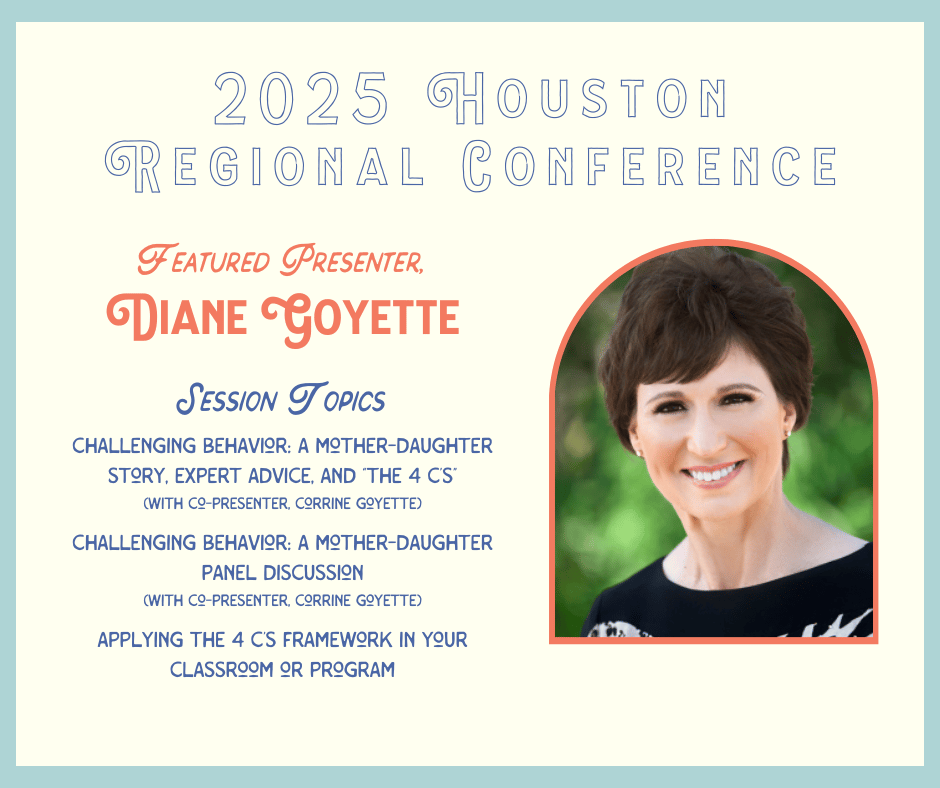
Get on the list!
Jan 18, 2025: Houston
Early Bird Registration ends Dec 13th.
|
Save the Date!
February 27-28, 2025 – Director’s Retreat (Granbury) – Registration opens Dec 1st!
July 10-11, 2025 – Central State Conference (Georgetown)
|
 |
Colossians 3:16
“Let the message of Christ dwell among you richly as you teach and admonish one another with all wisdom through psalms, hymns, and songs from the Spirit, singing to God with gratitude in your hearts.”
|